eric.r
Pond Building Expert
Published on November 28, 2025
Category: Pond Repair
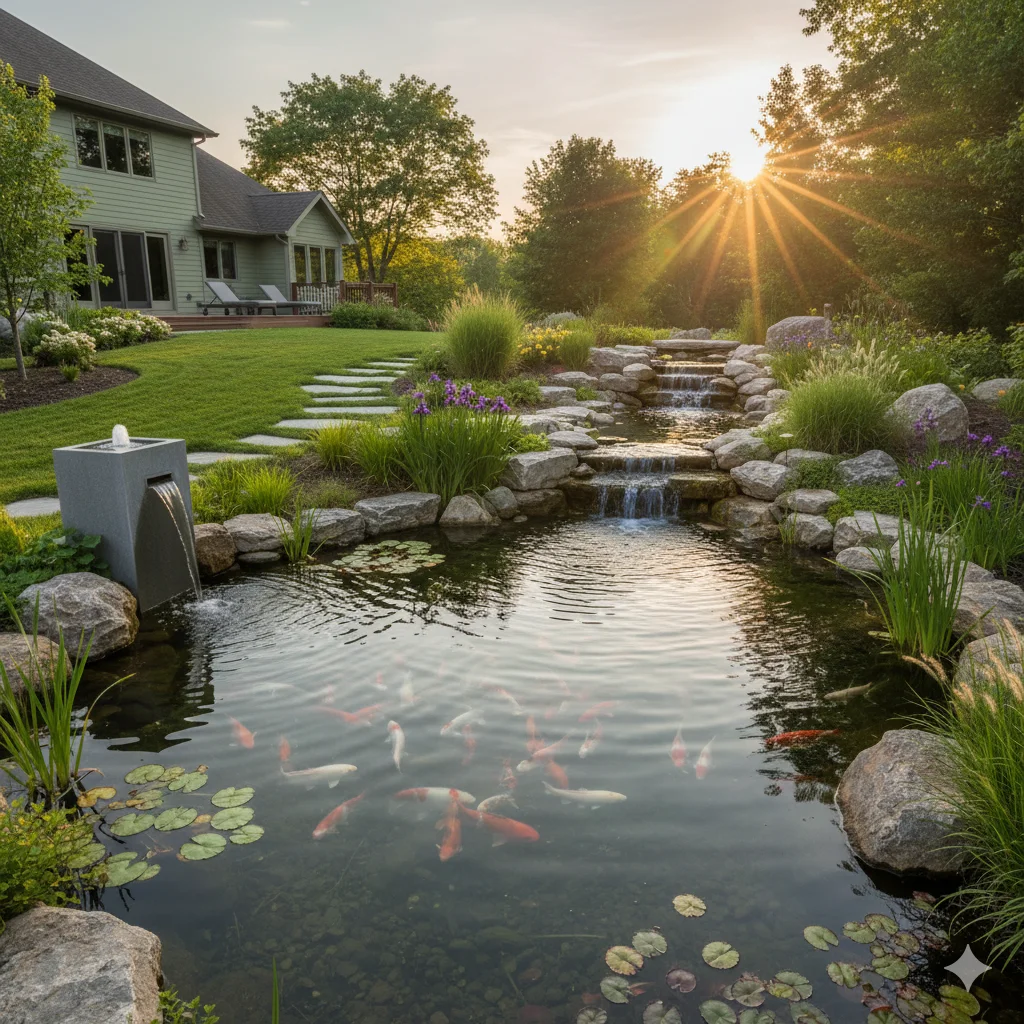
Common Cleaning Mistakes That Harm Pond Fish in Austin
Cleaning a pond may seem like a straightforward task, but for pond owners in Austin, Texas, there are numerous pitfalls that can harm the very fish you are trying to protect. Understanding these common mistakes can help ensure that your koi and other pond inhabitants thrive in a safe and healthy environment.
1. Neglecting Water Quality Tests
One of the most significant mistakes pond owners make is failing to regularly test the water quality. Water quality directly impacts fish health, and neglecting this crucial step can lead to harmful conditions.
Importance of Water Quality
In Austin, factors such as temperature fluctuations, algae blooms, and pollutants can drastically alter water conditions. Regular testing allows you to monitor:
-
pH levels: Koi prefer a pH between 7.0 and 8.5.
-
Ammonia and Nitrite levels: Both should be at zero; elevated levels can be toxic to fish.
-
Oxygen levels: Essential for fish survival, particularly in warmer months.
-
Tip: Use water testing kits available at local aquarium shops or online. Regularly schedule tests—especially after heavy rains or during extreme weather.
2. Overcleaning the Pond
While keeping a pond clean is vital, overcleaning can disrupt the ecosystem and stress fish.
The Risks of Overcleaning
Removing too much debris or cleaning filters too frequently can lead to:
-
Disrupted Beneficial Bacteria: These bacteria help break down waste and keep the pond balanced. Overcleaning can kill off these essential microorganisms.
-
Increased Stress Levels in Fish: Frequent disturbances can cause anxiety, leading to health issues or even death.
-
Tip: Aim for a balanced cleaning schedule. Remove visible debris and clean filters only when necessary, usually every 4-6 weeks.
3. Using Harsh Chemicals
Many pond owners mistakenly believe that chemicals are the easiest solution to algae or other pond problems. However, harsh chemicals can have devastating effects on fish.
Chemical Dangers
-
Algaecides and Herbicides: These can kill beneficial algae and bacteria, disrupting the food chain.
-
Detergents and Soaps: Even trace amounts can be toxic to fish.
-
Tip: Opt for natural cleaning methods, such as using barley straw for algae control or introducing beneficial bacteria to maintain balance. If you must use chemicals, consult a professional to ensure they are fish-safe.
4. Ignoring Seasonal Changes
Austin's climate can be extreme, with hot summers and unpredictable storms. Ignoring seasonal changes when cleaning can lead to dire consequences for your pond's ecosystem.
Seasonal Considerations
-
Spring: Heavy cleaning can disrupt spawning activities. Focus on light cleaning and testing water quality.
-
Summer: High temperatures can lead to algae blooms. Regularly check water quality and clean filters to ensure adequate oxygen levels.
-
Fall: Leaves and debris can clog filters and reduce water quality. Regularly remove organic matter to prevent decay in the water.
-
Winter: Avoid cleaning too aggressively as fish slow down and become less active.
-
Tip: Develop a seasonal cleaning schedule that aligns with your pond's needs throughout the year.
5. Improper Use of Equipment
Using the wrong tools or techniques can also harm pond fish during cleaning.
Common Equipment Mistakes
-
Using a Power Washer: This can be too aggressive for pond surfaces and can harm beneficial bacteria.
-
Inadequate Filter Maintenance: Filters that aren't cleaned properly can lead to poor water circulation and quality.
-
Tip: Use gentler cleaning tools, such as brushes and nets designed for pond use. When cleaning filters, rinse them with pond water instead of tap water to preserve beneficial bacteria.
6. Disturbing Fish Habitat
During cleaning, it can be tempting to rearrange rocks, plants, and other features. However, this can unintentionally harm fish by disrupting their habitat.
Habitat Considerations
-
Hiding Spots: Fish require places to hide from predators and feel secure. Removing or disturbing these areas can lead to stress.
-
Plant Health: Aquatic plants contribute to oxygen levels and overall balance. Over-cleaning can kill these essential components.
-
Tip: Plan your cleaning regimen to minimize disturbance to fish habitats. If necessary, relocate fish temporarily to a safe environment while cleaning.
7. Not Having a Cleaning Plan
Cleaning without a structured plan can lead to chaos and mistakes that affect fish health.
Steps for an Effective Cleaning Plan
-
Schedule Regular Cleanings: Create a calendar for light cleanings and more thorough maintenance.
-
Gather Supplies: Ensure you have all necessary tools ready before starting.
-
Test Water Before and After: Monitor water quality to identify any drastic changes from cleaning.
-
Observe Fish Behavior: Post-cleaning, take note of how fish react. Any unusual behavior can signal stress or poor water quality.
- Tip: Consider hiring professionals for comprehensive cleaning services to ensure the health of your pond ecosystem. Explore our Pond Cleaning Services Austin TX for expert assistance.
Conclusion
Cleaning a pond is essential for maintaining the health and beauty of your aquatic environment, especially in Austin's unique climate. By avoiding these common mistakes, you can ensure that your fish thrive and your pond remains a vibrant feature of your landscape. Remember, a healthy pond is a balanced ecosystem, and every cleaning effort should aim to support that balance. For more assistance, don’t hesitate to contact local experts or explore additional services tailored to your needs.
By being mindful and strategic in your pond cleaning practices, you can create a safe and welcoming home for your fish, ensuring they flourish for years to come.
More Articles

The Best Koi Fish Varieties for Austin Ponds
Learn the best koi fish varieties for Austin ponds, perfect for enhancing your aquatic landscape and creating a vibrant, thriving ecosystem.

Professional Koi Pond Repair Services in Austin, TX
Get expert pond repair for koi ponds in Austin. ATX Pond Builders restores water quality, fixes leaks, repairs equipment, and resolves structural issues for hea
Pond Leak Repair Costs in Austin, TX: What to Expect
Discover the average pond leak repair costs in Austin, TX. Get insights on what to expect and budget for your pond maintenance needs today!

